Technical Articles & Blogs

Technical Topics is your source for practical industry insights, technical updates, and product expertise to support your day-to-day operations. 

View articles and posts explaining safety-focused topics such as calibration gas handling, maintenance practices, specific gas hazards, monitoring strategies, and other technical guidance related to gas detection and industrial hygiene equipment. These help you understand how different instruments work and how to apply them safely and effectively.

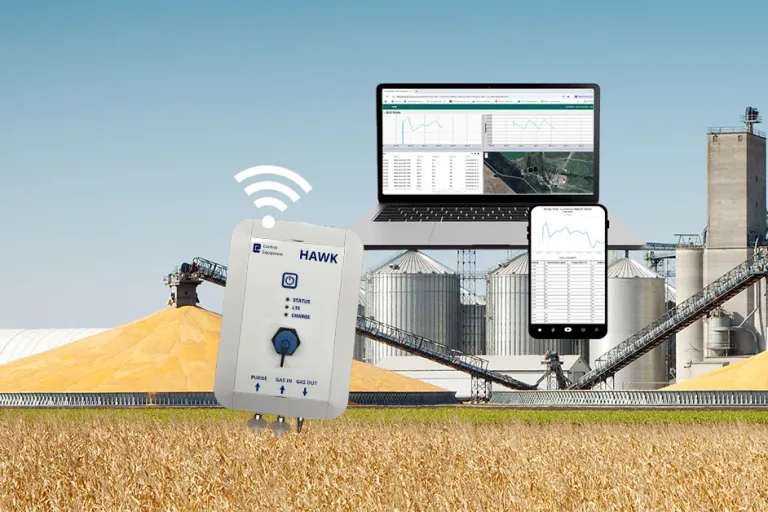
HAWK Fumigation Monitoring Bunker Trial

HAWK Fumigation Monitor Grain Bunker Trial

Real-Time Fumigation Monitoring in Grain Storage – Improving fumigation visibility while minimising site visits in large-scale and remote grain bunkers.
Fumigation monitoring in grain bunkers or silo’s often relies on periodic manual sampling, providing snapshots of gas concentrations throughout the treatment period. This can make it difficult to identify concentration variations within the grain mass and verify that target fumigation levels are being maintained.

Read more

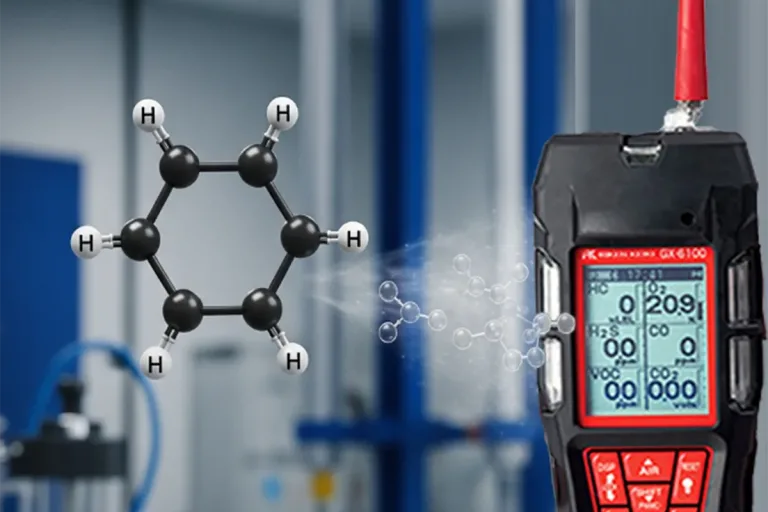
Benzene Monitoring: Protecting Workers in Hazardous Environments

Benzene (C6H6) is a significant concern in many industries, particularly in the oil, gas, and petrochemical sectors, due to its hazardous properties.  This blog post explains what benzene is, where it can be found, its health effects, and how advanced technology, like the GX-6100 multi-gas monitor, provides an essential solution for effective monitoring.

Read more
What is Phosphine Gas Blog Image

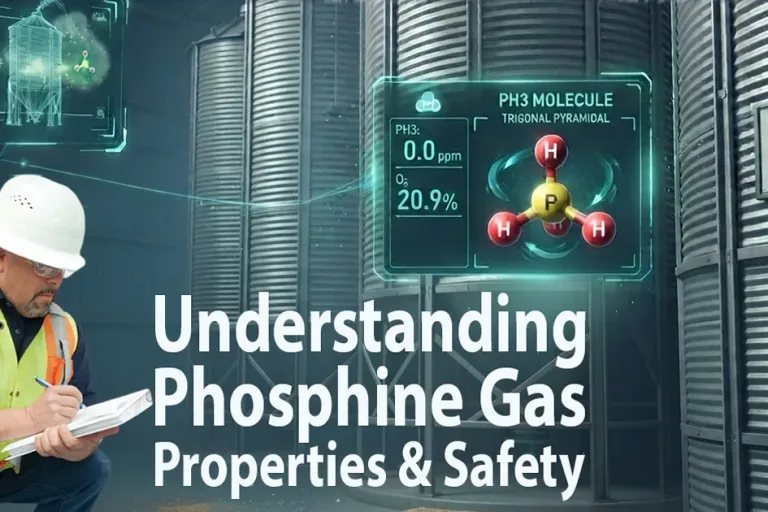
What is Phosphine Gas?

The Hidden Risk in Grain Stores, Fumigation Sites, and Industrial Plants | Phosphine gas can build to lethal concentrations without any warning smell. Here’s what every fumigator, grain handler, and site manager needs to know — and the detection equipment that actually keeps you compliant and and your workforce safe.

Read more

Diesel Emissions

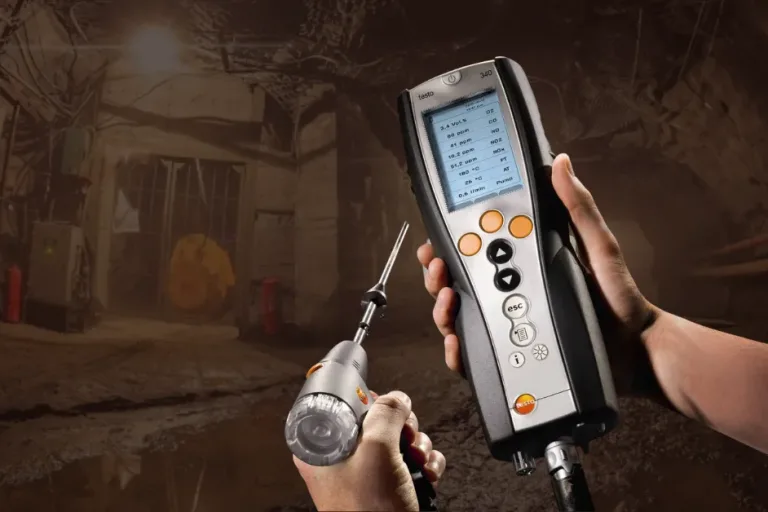
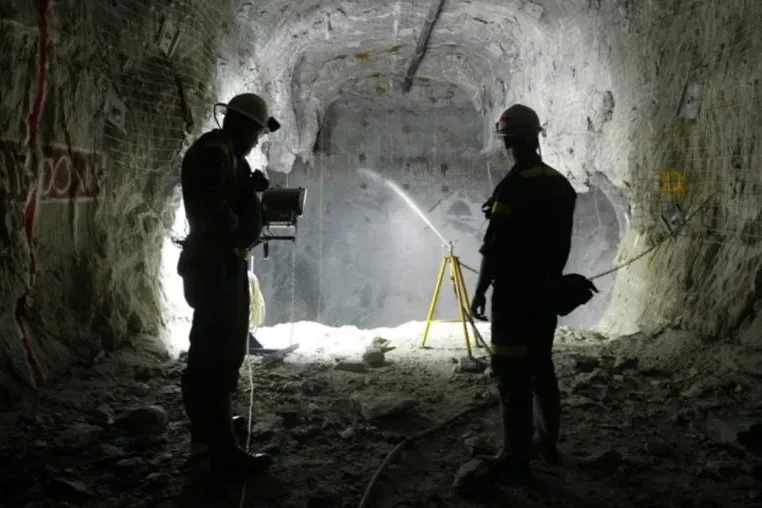
The exposure of mine workers to diesel particulate matter (DPM) and gases is an issue of great concern to the underground mining environment.

Read more
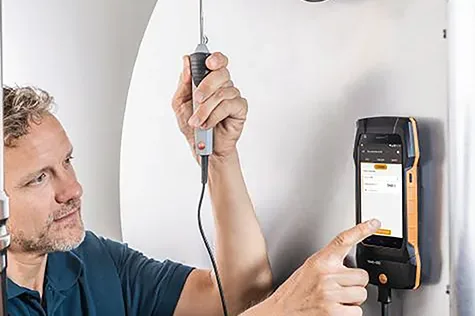
Testo 400 Universal IAQ instrument

Calibration Gas Shelf Life

When using your instruments for gas detection, monitors should be properly calibrated or your readings may be inaccurate. To properly calibrate your device, the user will need to use a specific concentration of the gas trying to be detected.

Read more
Effects of Methane blog image

The Effects of Methane

Methane is a component of the earth’s atmosphere and is present at low concentrations. We inhale methane along with other atmospheric gases such as nitrogen and oxygen when we breathe.

Read more

The Importance of Proper Ventilation

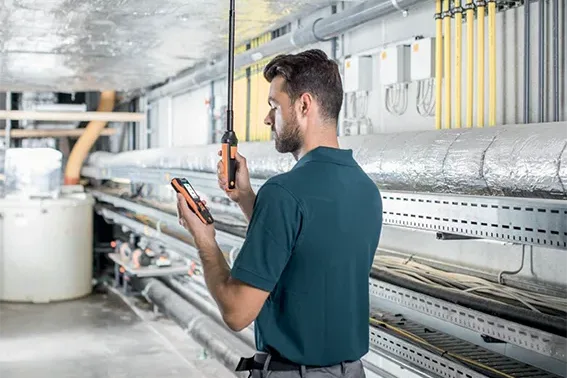
Air balancing and routine maintenance of ventilation equipment play pivotal roles in preserving IAQ and creating a comfortable, healthy atmosphere for inhabitants. In a commercial setting, productivity and general wellness can suffer as a direct result of poor practices.

Read more

Gases Produced from Blasting

With modern explosives, the amount of toxic gases or fumes produced from blasting varies according to the explosive mix, the degree of confinement in the hole, the amount of water in the hole and the sleep time of the explosive, among other factors.

Read more

Servicing your Docking Station

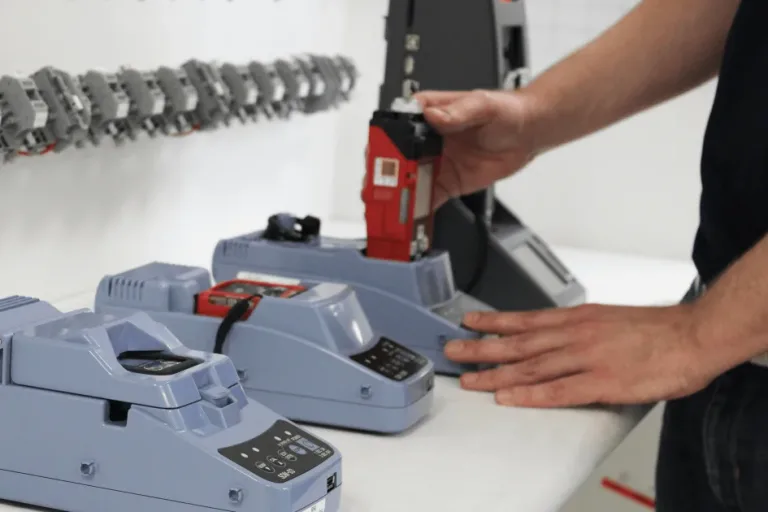
In the past, calibration of your gas monitors was carried out by the local agent or a qualified service provider. In recent times, Manufacturers have developed Calibration / Bump test stations which allow the end user to perform these tasks on site.

Read more

Chlorine Gas

What is Chlorine Gas? Chlorine is a liquid that is presently used in cleaning agents (eg, bleach, disinfectants), in water purification, and in the manufacture of items such as plastics. It is used in the following industries: pesticide, refrigerant, paper and pulp, textile, metallurgy, pharmaceutical, cosmetic, battery, water and sewage purification, and food processing. What happens…

Read more

Combustible Gases

What is a Combustible Gas? A combustible gas is one that will burn when mixed with air (or oxygen) and ignited. Combustible gas-air mixtures can be burned over a wide range of concentrations. The actual minimum concentration varies from about 0.5% to about 15% by volume in air for most common CHCs. Combustible gas-air mixtures…

Read more

Life Span of a Sensor

Electrochemical sensors life span “Shelf life” and “operational life” are terms you may have heard before. These types of terms are widely used however, not everyone knows the detailed meaning behind them. Shelf life “Shelf life” in regard to this piece is the time between manufacturing the product and its initial operation. Most electrochemical sensors…

Read more

The Rise of Ammonia in Refrigeration: Benefits, Hazards, and Safety Measures

The Rise of Ammonia in Refrigeration: Benefits, Hazards, and Safety Measures The phase-out of Chlorofluorocarbon (CFC) and Hydrochlorofluorocarbon (HCFC) gases in refrigeration and air conditioning systems has led to a significant increase in ammonia usage. Unlike CFCs and HCFCs, ammonia refrigeration systems do not contribute to global warming or ozone depletion. However, ammonia introduces its…

Read more

Make an enquiry with us today

Please provide a contact email and/or phone number: