Apex2 on hip by Casella for Industrial Hygiene

The Next Generation of Air Sampling Pumps The Apex2

[su_youtube url=”https://youtu.be/CiLQWcVALMY” width=”400″ height=”200″ responsive=”no”] The Apex 2 is the next generation of Air Sampling Pumps produced by Casella. With its class leading performance the Apex 2 is the perfect addition to any occupational hygienist. A quick summary of the features that the Apex 2 has to offer are: ANZEx certification Bluetooth® and Airwave app…

Pellistor Sensor Sensitivity

The primary technology for detecting hydrocarbons are the pellistor sensors. Usually, these sensors are both reliable and cost-effective. They monitor the flammable levels of combustible gases.   However, there are times where it is advised in which the use of pellistors shouldn’t be used. Where other sensors, such as infrared, should be used.   Pellistor…

Life Span of a Sensor

Electrochemical sensors life span “Shelf life” and “operational life” are terms you may have heard before. These types of terms are widely used however, not everyone knows the detailed meaning behind them.   Shelf life   “Shelf life” in regard to this piece is the time between manufacturing the product and its initial operation.  …

Risks of Ignoring Your Data

A Recently news story about an oil worker found collapsed over an open hatch, dead, highlights the risks of ignoring your data. After the tragedy it was shown that the data logged on this personal gas detector could have saved him.   Important data Missed Not too long before, while sampling from a similar hatch,…

The Rise of Ammonia in Refrigeration: Benefits, Hazards, and Safety Measures

The Rise of Ammonia in Refrigeration: Benefits, Hazards, and Safety Measures The phase-out of Chlorofluorocarbon (CFC) and Hydrochlorofluorocarbon (HCFC) gases in refrigeration and air conditioning systems has led to a significant increase in ammonia usage. Unlike CFCs and HCFCs, ammonia refrigeration systems do not contribute to global warming or ozone depletion. However, ammonia introduces its…

Monitoring for Carbon Dioxide (CO2)

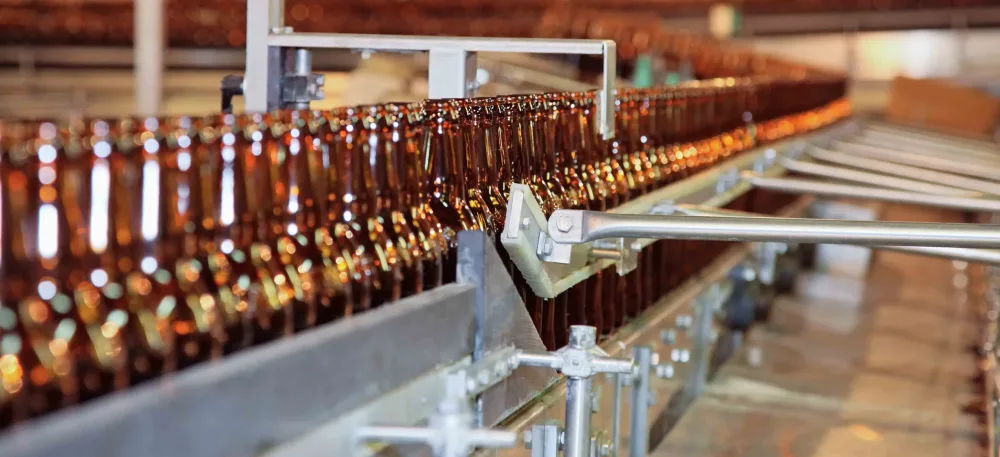
Carbon dioxide (CO2) gas is commonly used in the manufacture of popular beverages.  So what is carbon dioxide, why is it dangerous and why do we have to monitor it carefully?   Properties of CO2Carbon dioxide occurs naturally in our atmosphere at very low concentrations and we produce it when we breathe out. However, it…

The Ultimate Telco Solution Kit

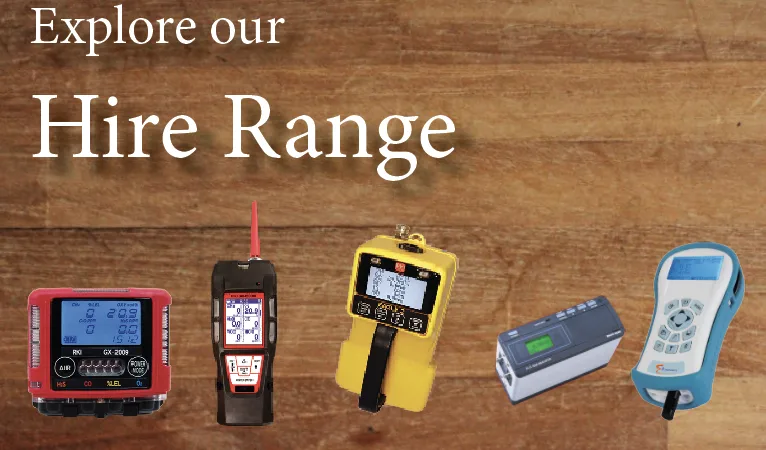
To meet the demands of telecommunication professionals working on the NBN across Australia, Control Equipment Pty Ltd has put together a complete Telco Solution kit. This kit includes a GX-2009 four gas confined space monitor, 220 VAC wall charger, 3 meter hose & probe, and a hard carry case to protect these items from potential…

Bump testing and servicing your gas detector

Essential Gas Detector Maintenance: Bump Testing and Servicing Gas detectors are exposed to harsh environments throughout their lifespan, making regular bump testing and professional servicing critical for maintaining accuracy and reliability. Neglecting routine maintenance can compromise safety, increasing the risk of injury or even fatal exposure to hazardous gases. To ensure optimal performance, it is…

Celebrating 40 years in business

Established in 1977, we are proud to announce that this year is Control Equipment’s 40 year anniversary. As one of Australia’s most trusted gas detection companies, we have always had the belief that customers deserve a reliable source for advanced gas detection equipment, as well as solutions to specific gas monitoring applications. From the beginning,…

Why is Carbon Monoxide such a dangerous gas?

Similar to carbon dioxide, carbon monoxide is also a colourless and odourless gas.  Commonly known as “The Silent Killer”, Carbon monoxide is sourced from gas stoves, furnaces, appliances, automobiles, and fireplaces. The effects of carbon monoxide vary among different people, depending on their age and health. Comfort Exposure to low levels of CO is commonly…

What is Carbon Dioxide?

  Carbon Dioxide is a gas that is both colourless and odourless. Not only is CO2 produced naturally in the environment, but it can also be created. CO2 can be created through human activities like burning gasoline, oil, coal, and wood. Respiration increases the level of CO2 in air as an individual exhales.   Comfort The measure…